


Sheet metal processing is undergoing a major technological shift, transitioning from human-dependent processes to digital workflows, software, automation, and AI-integrated systems. MegaTech walks you through the key technology advancements that are driving the sheet metal industry to the next level.
High-Power Fiber Laser Advancements
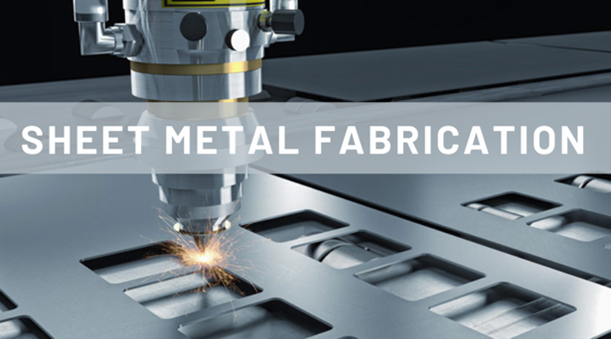
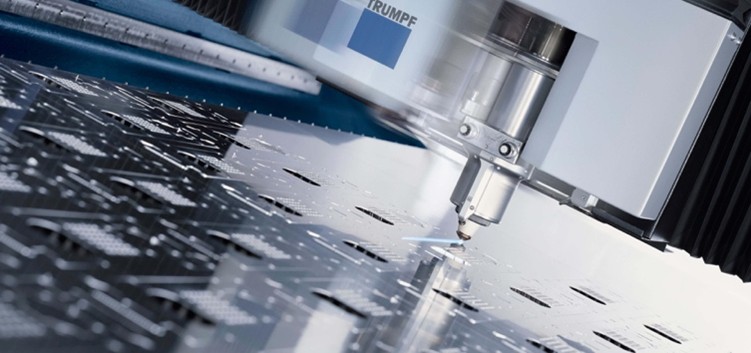
Over the last decade, fiber laser technology has undergone a revolutionary development and replaced traditional CO2 and solid-state lasers in many applications. However, the most significant development has been the rapid increase in power output. In 2025, fiber laser technology had reached new heights with the introduction of 40,000W (40kW) laser cutters. These systems can cut through massive thicknesses-carbon steel up to 25mm-at speeds of 100 m/min with ±0.05 mm accuracy.
Innovations in fiber design, such as adjustable ring mode (ARM) beams allow for better process stability in applications such as electric vehicle battery welding. With the new breakthrough, fiber lasers have become more energy-efficient, converting up to 45% of energy into usable output, a big saving over older technologies.
Automation and AI-Driven Smart Manufacturing
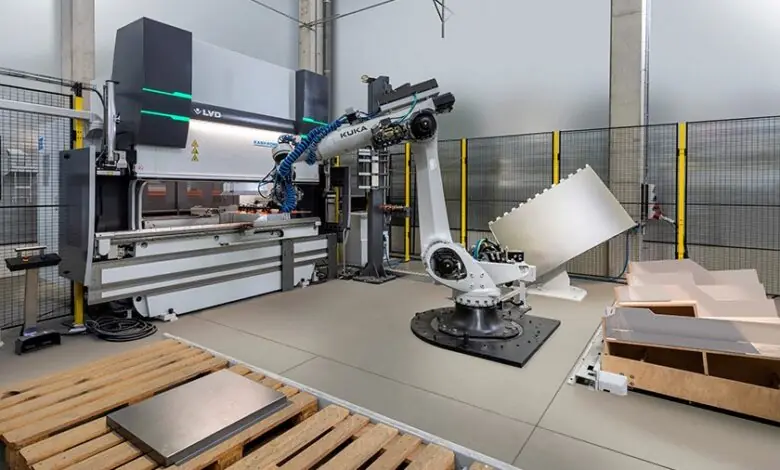
Automation transforms sheet metal fabrication by boosting speed, precision, and quality, reducing labor costs, minimizing waste, and creating safer work environments. Automation and robotics handle dangerous/repetitive tasks, leading to higher efficiency, consistency, and flexibility. Robots and automated systems perform tasks like loading, cutting, bending, and welding much faster than manual methods. It frees skilled workers from mundane tasks, allowing them to focus on complex problem-solving. In the case of fully automated systems, machines can run 24/7, even without human presence (lights-out manufacturing), drastically increasing output.
AI is driving sheet metal fabrication by shifting the industry from reactive processes to a “digital way” that prioritizes precision, efficiency, and real-time adaptability. For instance, AI significantly enhances the Design for Manufacturability (DFM) in sheet metal fabrication by exploring vast design possibilities, material properties, and manufacturing constraints (e.g., weight, strength, cost targets). AI tools facilitate the creation of complex geometries, such as minimum bend radii and flange clearances. For example, SolidWorks 2025 features an AI assistant, AURA, that predicts optimized shapes and recommends wall thicknesses or rib patterns. AI also helps engineers speed up sheet metal prototyping and automated quoting.
Software Advancements
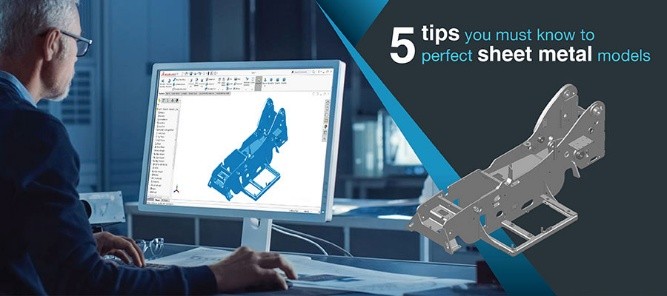
Sheet metal fabrication software, particularly within the framework of Industry 4.0, is fundamentally transforming the sheet metal fabrication industry by enabling manufacturers to achieve unparalleled precision, increased efficiency, and data-driven decision-making.
Key aspects that software is driving the industry include Computer-Aided Design (CAD) software that allows engineers to create intricate 2D and 3D models with high precision. Advanced features, such as real-time updates across folded and flat views, enable quick design iterations and virtual simulations to identify and correct potential flaws before physical production. Specialized software uses algorithms to “nest” multiple parts efficiently on a single sheet of metal, maximizing material utilization and significantly minimizing scrap and waste. This contributes to cost savings and more sustainable practices.
Summary
The process of sheet metal fabrication is constantly evolving due to the rapid technological advancements mentioned earlier. Every year, new tools and methods emerge that make processes faster, more reliable, and more cost-effective. Whether your business is big or small, you must be able to leverage advanced technology and adapt it to make sure youʼre not left behind.
Article by: MEGA Tech