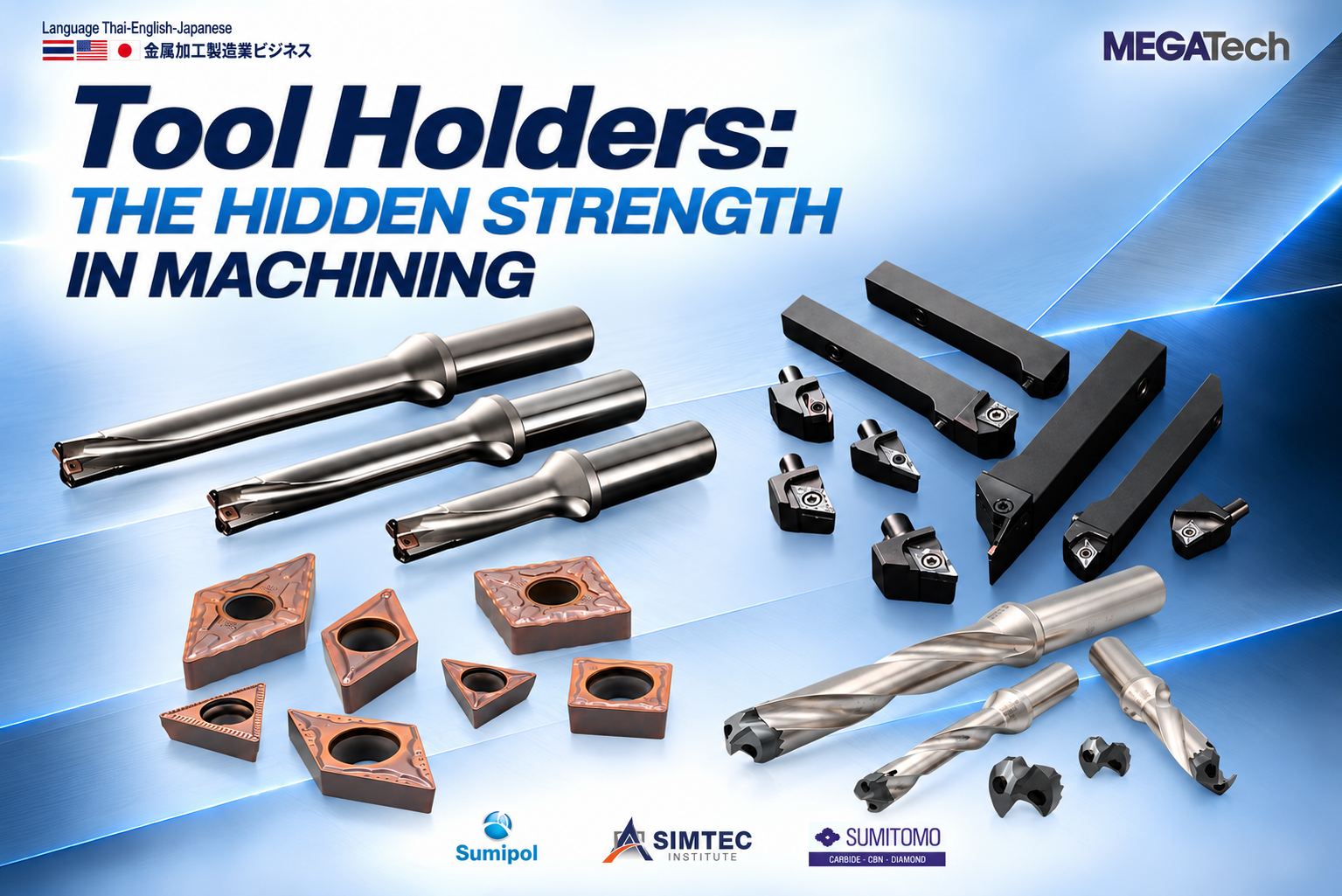
In machining, the cutting tool often gets the spotlight, and behind every stable, accurate and productive cutting operation is another component that plays a critical role: the tool holder.
As manufacturers face rising production costs, including higher prices for materials and tungsten used in cutting tools, controlling tooling expenditure has become increasingly important. While manufacturers cannot fully control raw-material prices, they can take greater control of Cost per Part through smarter tooling strategies—selecting the right tooling system, tool holder, cutting material and cutting conditions for each application.
More Than Just Holding the Tool
A tool holder is far more than a connection between the machine and cutting tool. Its performance can influence tool life, machining stability, changeover time, machine downtime and productivity—factors that directly affect manufacturing costs.
Consider drilling. Sumitomo’s SMD Series Replaceable Head Drill is designed to replace only the cutting head when it wears, rather than replacing the entire carbide tool. By reducing carbide consumption, the solution provides an opportunity to manage tool costs more efficiently.
For applications where stability is critical, particularly deep-hole drilling, the SumiDrill GDX Series Indexable Insert Drill features a high-rigidity holder design that helps reduce vibration and improve drilling stability. By minimizing machining trouble, manufacturers can maintain more consistent productivity.
Time is another hidden cost. Every tool change can contribute to machine downtime and extend changeover. The APM Series Quick Change Tool Holder is designed to reduce tool-change and changeover time while providing high accuracy during head replacement—helping manufacturers improve machine utilization and productivity.
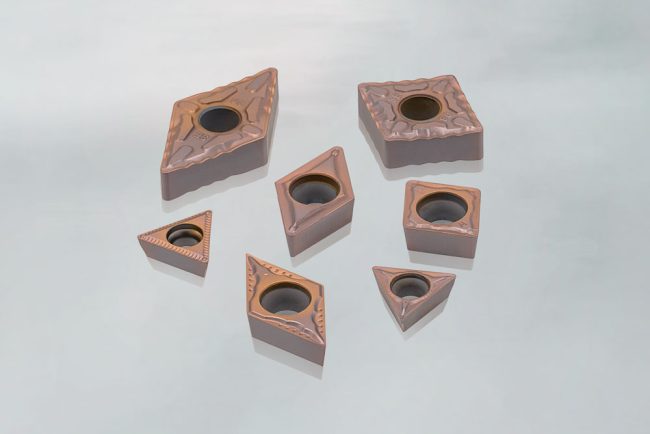
Tooling optimization also means considering whether carbide is always the best choice. Sumitomo’s T2100Z coated cermet grade for steel turning demonstrates the importance of matching cutting material to the application, providing another approach to managing tooling costs rather than treating carbide as the default for every process.
From Tooling Optimization to Machining DX
Choosing the right tooling is only the beginning. Sustainable reductions in Cost per Part require manufacturers to understand how tools, cutting conditions and production processes interact.
Analyzing tool life, cutting conditions, cycle time and process data can help identify the conditions that deliver the best overall performance.
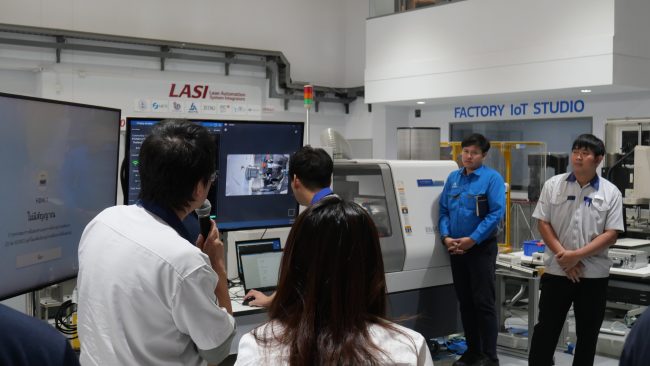
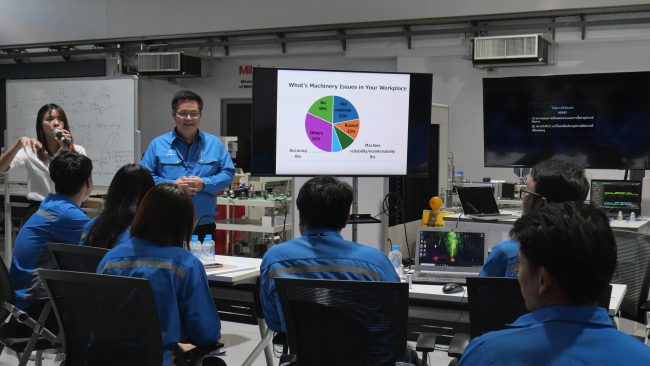
This is where Machining DX becomes the next step in tooling optimization. The SIMTEC Machining DX program combines Lean thinking, digital tools, real-time production visibility and data utilization to help manufacturing professionals reduce losses and improve productivity.
The program covers practical areas including OEE, Cycle Time, Breakdown Time, Cutting Force Analysis, Machine Visualization and process monitoring, alongside hands-on exercises involving cutting tools, cutting conditions and CNC programs.
Ultimately, the hidden strength of machining lies not in any single component, but in how effectively the entire tooling system and production process work together.
For manufacturers seeking lower Cost per Part and greater competitiveness, optimizing the tool holder may be a small change—but it can be the starting point for a much bigger improvement.